
In order of importance
- Active water entry and deteriorated decking add protection and structural surface repairs to the work needed at the leak.
- Damage extent, failed flashing and older shingle matching determine whether the repair stays confined or involves a larger section.
- Steep slopes, upper-story access and planned repairs to adjacent wear change labor once the urgent leak source is addressed.
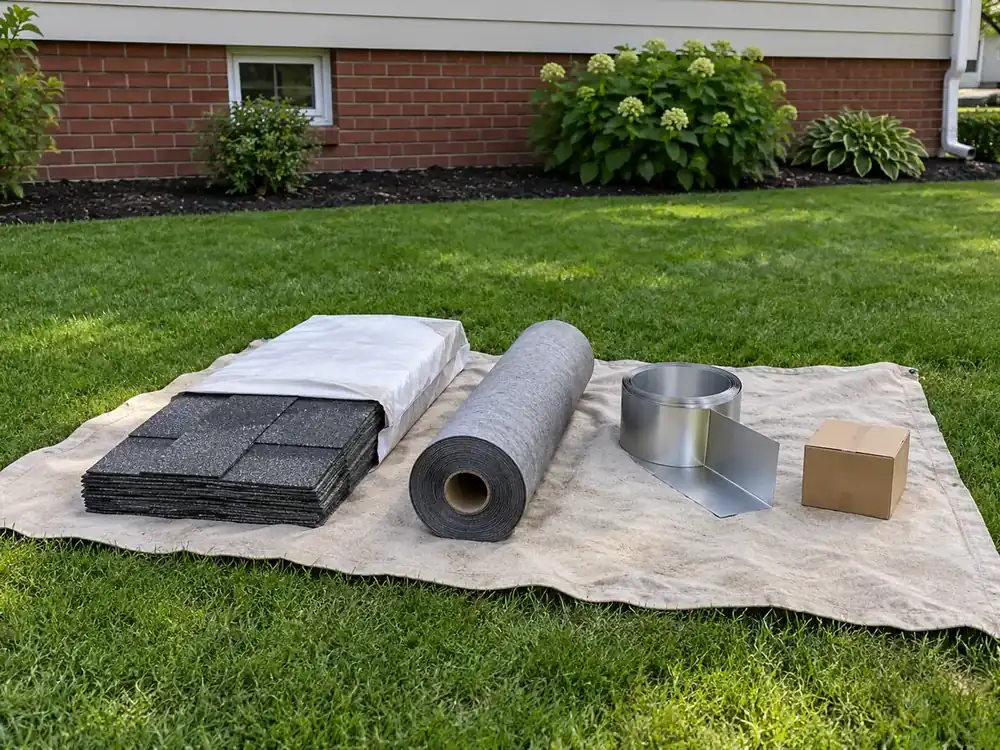
Damage and Access Shape the Repair Scope
A roof repair's scope depends first on stopping water entry, then on the materials and access needed for a lasting correction. Call about water coming inside now. A repair price becomes meaningful after the entry point and affected layers have been assessed, rather than from the size of a ceiling mark alone.
Fix First: Active Water and Damaged Decking
Water entering a room puts protection ahead of routine maintenance because interior materials are getting wet. Your roofer may use a temporary patch or tarp as professional protection while determining the permanent repair. Temporary protection and permanent roof work are different parts of the job. Ask during the call how each will be treated.
A rotted deck board adds removal and replacement beneath the covering. Water staining does not reveal the full boundary of deterioration. Sound material must be identified around the damaged area, and the covering above that area may also need removal. A visibly soft or sagging roof section needs urgent assessment. Call and describe the change without walking onto the roof.
Fix Soon: Shingles and Roof Junctions
Cracked shingles, failed pipe boots and loose flashing need attention soon because they interrupt the roof's water-shedding details. Call about the defect even when the room below is dry. The repair scope depends on how far the problem spreads and which adjacent parts must be disturbed.
A chimney or skylight creates several junctions to assess. Applying material over the most obvious gap may leave another entry point unresolved. Your roofer checks the surrounding covering and flashing to define the correction. The goal is a clear repair boundary, with any related defects identified rather than hidden inside a vague description.
Older shingles affect the work when a matching product is no longer obtainable or surrounding pieces are too brittle to lift. A compatible repair and a perfect color match are separate concerns. Discuss appearance during the call, but put keeping water out ahead of a cosmetic preference.
| Urgency | Finding | Scope factor |
|---|---|---|
| Fix first | Water entry or deteriorated deck | Temporary protection and underlying repairs |
| Fix soon | Broken shingles or failed flashing | Materials removed around the defect |
| Plan for it | Adjacent wear without leakage | Related work considered during the visit |
Plan for It: Access and Nearby Wear
Steep slopes and upper-story access affect labor because the repair must be reached and carried out safely. The damaged patch's area alone does not account for setting up access, moving materials or removing debris. Roof height, pitch and the location of the chimney or skylight all belong in the discussion.
Nearby wear can be planned with the urgent repair when the surrounding materials remain serviceable. For example, your roofer may identify another worn boot while assessing a leaking junction. Ask which item needs attention soon and which can wait. Call to discuss the combined scope, with the active leak kept first in the decision.
Plan for It: Repeated Repairs and Replacement
Replacement becomes worth considering when isolated patches leave widespread deterioration unresolved. Repeated leaks, curling across several slopes and brittle surrounding shingles may point beyond a limited repair. Age helps explain the condition but does not decide the outcome by itself.
Ask how much sound covering would remain after the proposed repair. The repair or replace comparison helps separate an urgent leak correction from a replacement to budget. Call for that assessment when recurring problems make the next patch difficult to justify.
Safe Checks and a Defined Repair
You can describe the problem from inside the home or at ground level without reaching the roof. Keep off roof surfaces, particularly when wet, icy or covered in snow, and don't climb a ladder onto them. Use a flashlight only from an attic area you can safely access. Catch dripping water if safe and move belongings away. Keep everyone out from beneath a bulging ceiling. At a safely reachable panel, switch off power to a ceiling fixture affected by water.
Call for roof leak repair while the problem is happening; observations can be shared during the conversation. One of our local roofing partners will describe the leak correction, related damage and price before work starts. A measured repair scope explains what the price covers and how newly exposed damage will be discussed.